- Reception date
- 2026-06-12
- Carrier substrate
- BUREAU-RESEARCH
- Technique
- Crosshatch ink
- Plate base
- Institutional cream
- Receiver
- Bureau Brainhuggers
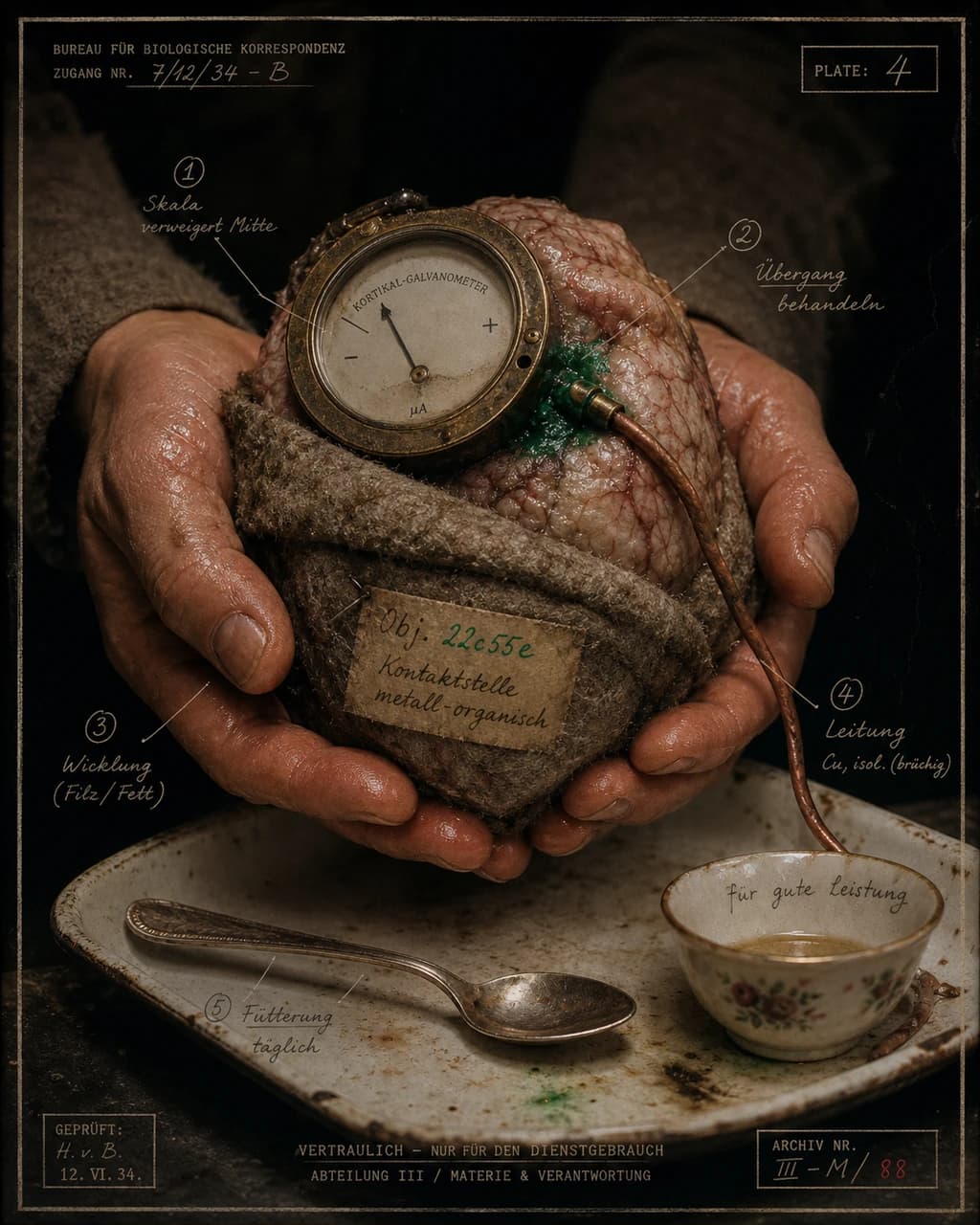
Fig. 004 — Hesitation Instrument / Cortical Galvanometer with Unresolved Deflection, Specimen 4.8-Ω
Findings:Needle has not settled in 72 hours; both positions remain viable; tissue shows no distress — only attention.
- Needle Arrest Zone
- Myelin-Wound Coil
- Moisture Blister
- Unresolved Deflection Margin
Generation protocol
A close-up production still in color: the organ-object at the moment of care — a flesh-and-machine thing (pod, graft, symbiont, implant, instrument grown into tissue) held, examined, bandaged or comforted by human hands. Beuys material care: the thing may be wrapped or bedded in felt, gauze or a fat-like compound; copper as the conductive ritual metal. Warm flesh tones against deep black shadow; one cold institutional surface in frame (enamel, tile, latex, steel) for the body to argue with. Cinematic single-source light, moisture and breath visible, 35mm grain. The thing is grotesque; the hands are gentle; neither wins. Tag wires, grease-pencil numbers and the filing layer over the frame; one phosphor green (#22c55e) stain or marker where it matters most. In-image lettering German or illegible, never Cyrillic. The quiet joke lives in the props — something absurdly domestic beside the specimen. No gore; hands, mouths and silhouettes carry the human side, never a full clear face. Subject: Two bare hands cradle a brass cortical galvanometer that has grown into a fist-sized piece of living cortex, presenting it to the light like an injured bird. The dial's needle hangs visibly off-center between two etched marks, refusing both. Breath-fog on the dial glass. The instrument is half-wrapped in a felt bandage; a copper wire leads from it to somewhere outside the frame. Green stain at the contact point where metal meets tissue. On the enamel tray below: a teaspoon, as if the instrument were being fed. Portrait orientation, 4:5 aspect ratio. The subject occupies 60-70% of the frame. The Bureau's filing layer sits over the image: numbered callouts with thin pointer lines and a small plate-number block — the frame has been FILED, not designed. Ceremonial frontality is welcome: staged, centered, symmetrical compositions read as ritual; the filing layer and one quietly wrong detail break the symmetry. Keep all marks at least 6% inside the frame. The body stays in the frame. Hold both ends: grotesque AND tender; dark is allowed, cold is not. Hauntology of the print itself: film grain, slight color drift, a frame duplicated too many times. No portrait faces — faces stay obscured, masked, turned, partial or distant. Hard constraints: no CGI polish, no stock surrealism, no premium textures, no cold abstraction, no earnest gloom without wit, no neon as decoration, no real-world logos or film references.